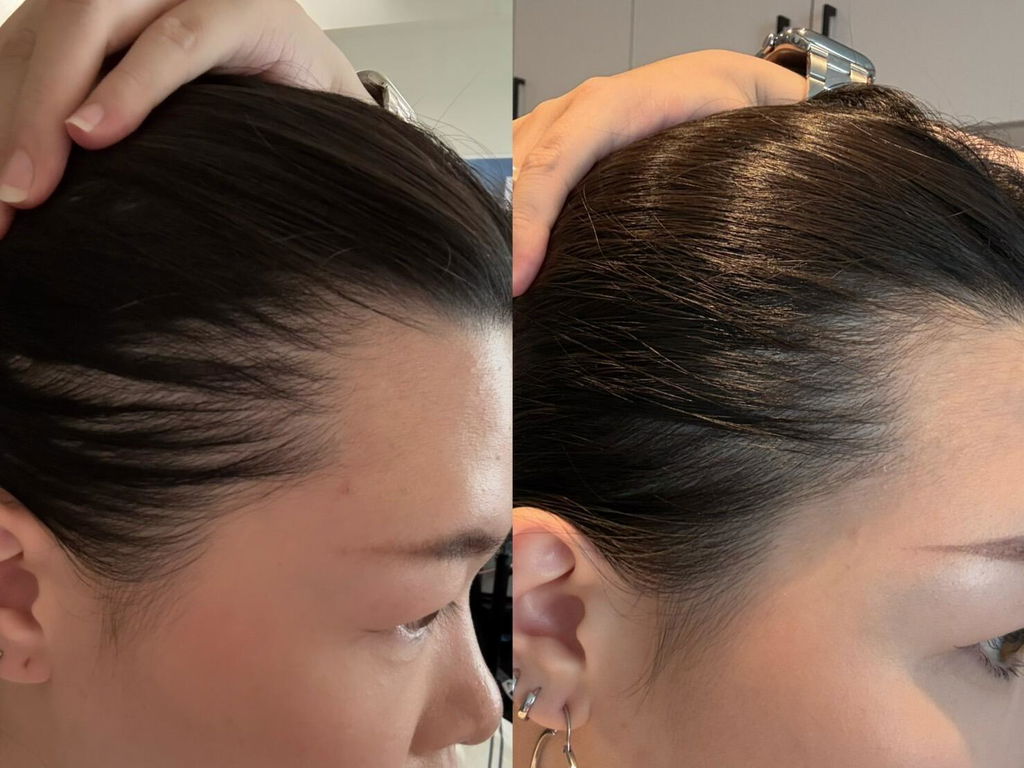
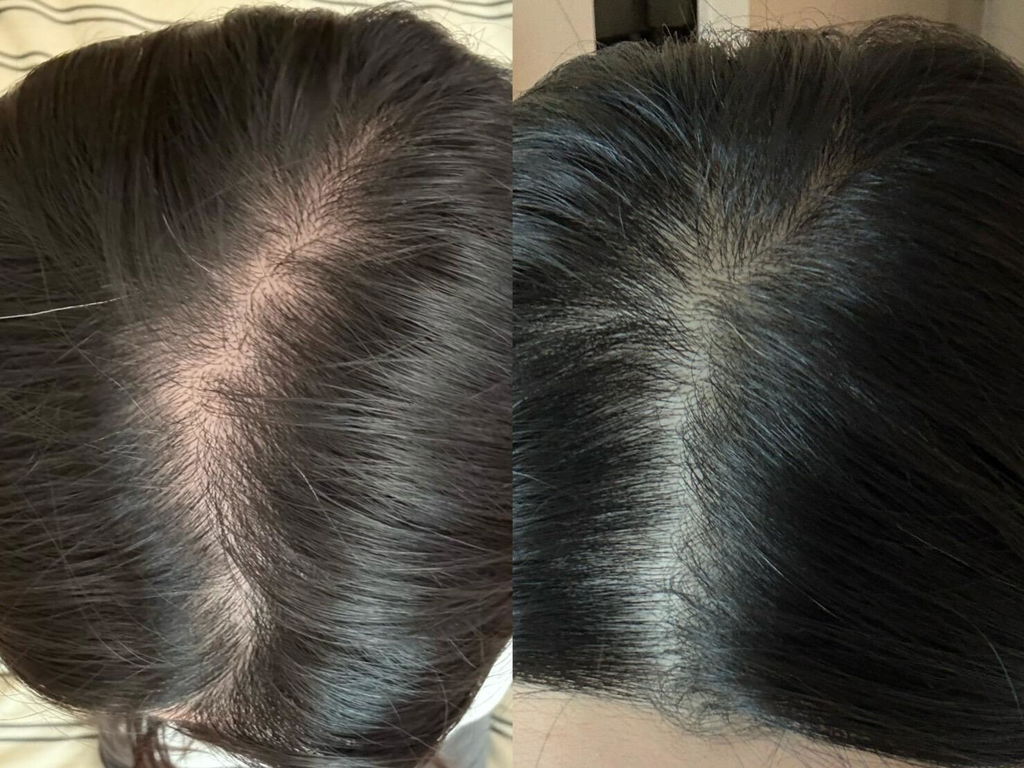
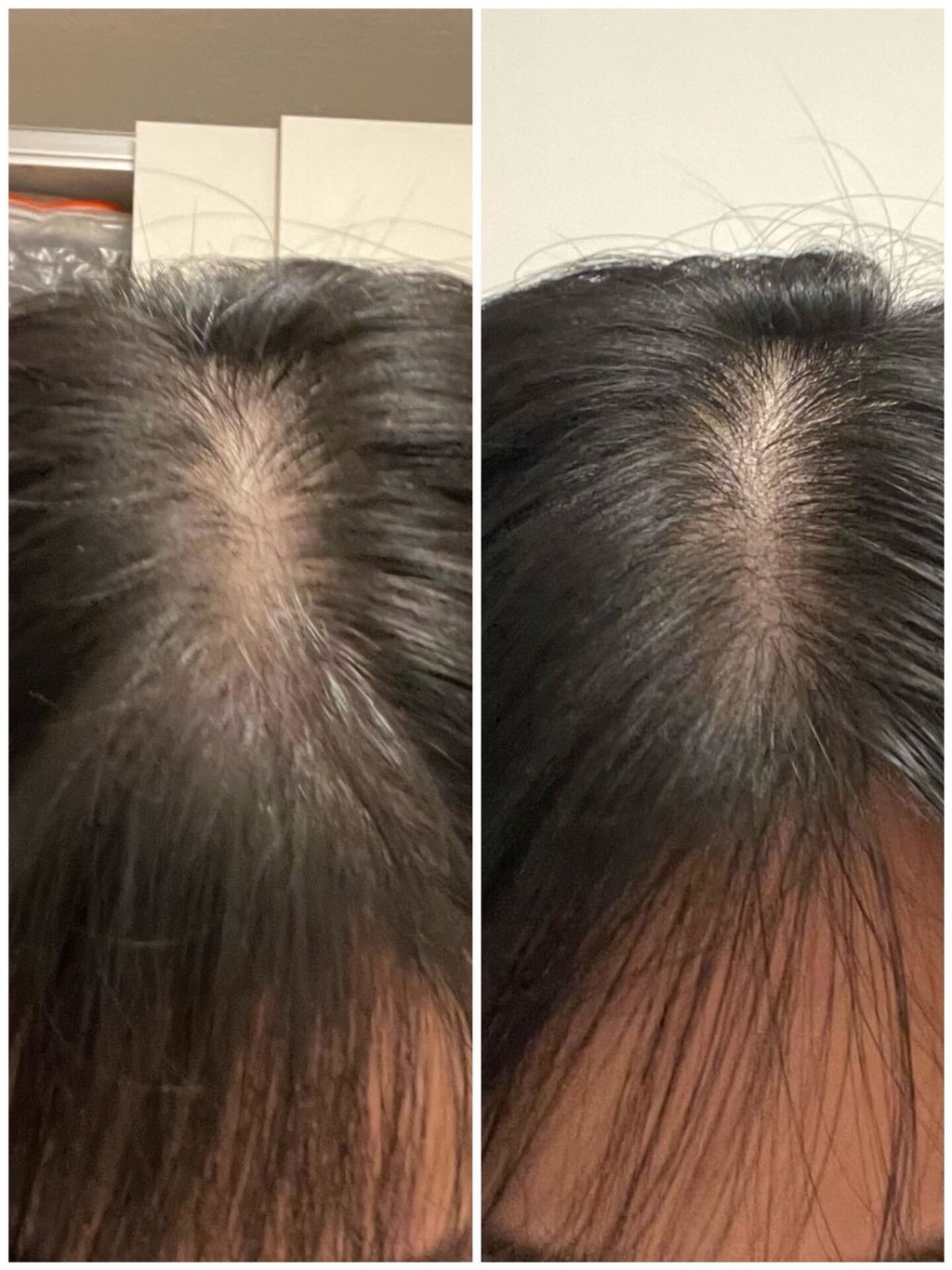
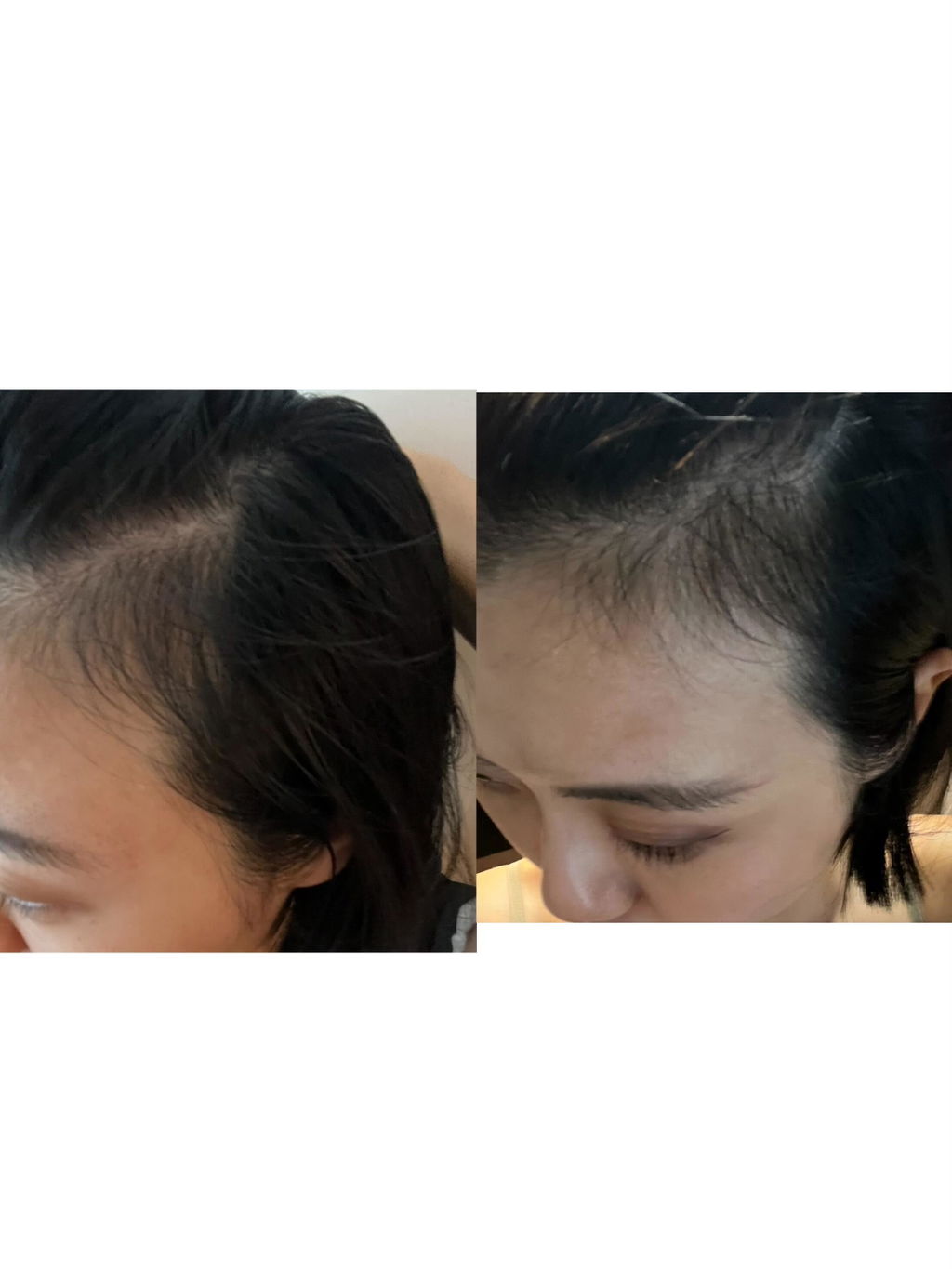
What is scalp oiling, and how does it benefit hair health?
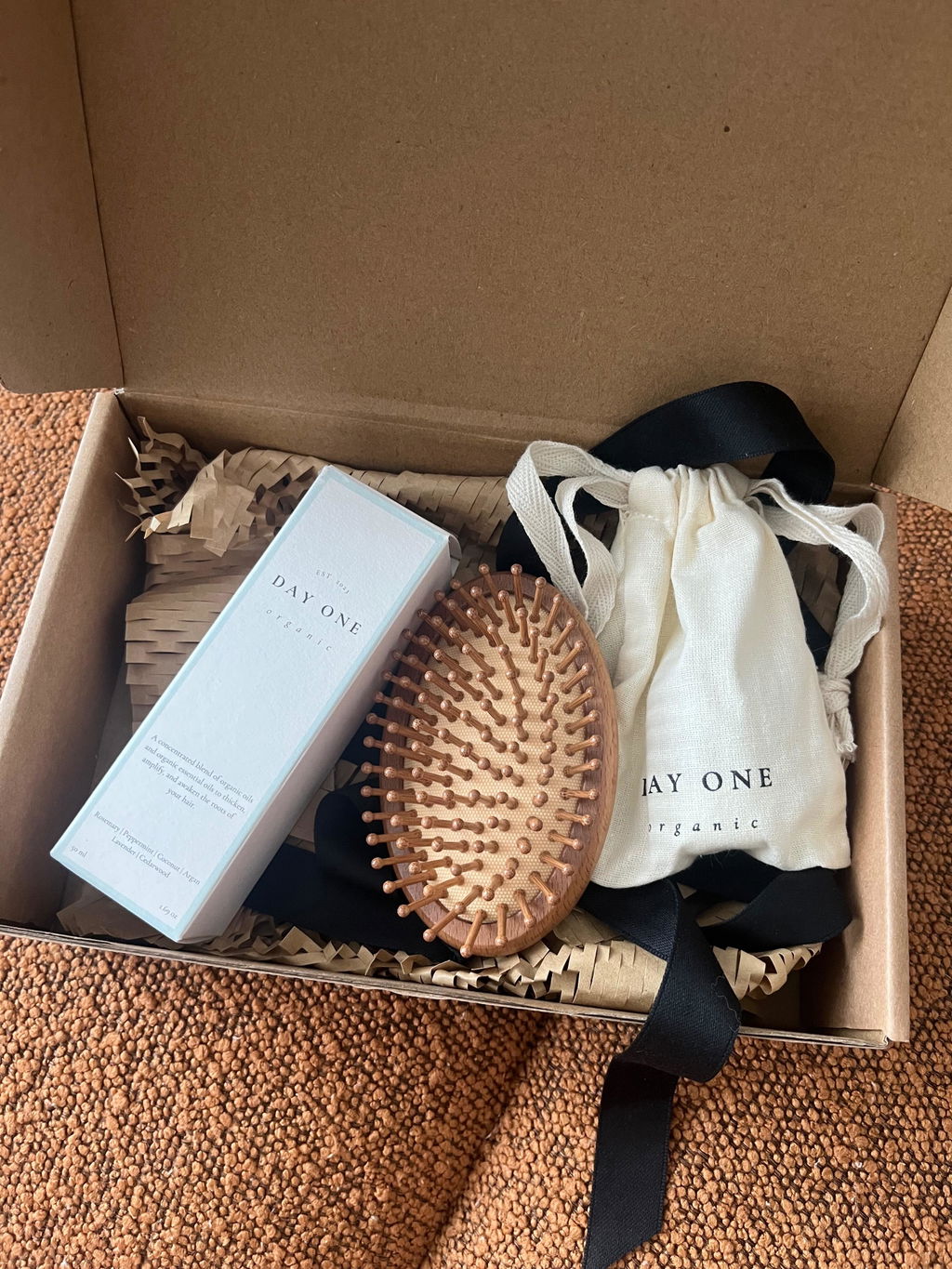
Scalp oiling involves applying natural oils to the scalp to moisturize, nourish, and improve the overall health of the hair and scalp. It helps to hydrate the scalp, strengthen the hair follicles, and promote hair growth.
How often should I scalp oil, and can I do it daily?
The frequency of scalp oiling depends on your hair type and scalp condition. Keep in mind that everyone's scalp is different. What works well for one person may not necessarily work for another due to differences in skin type, concerns, and sensitivities. By experimenting with various skincare routines, we can identify what works best for our individual needs, leading to healthier and more radiant skin.
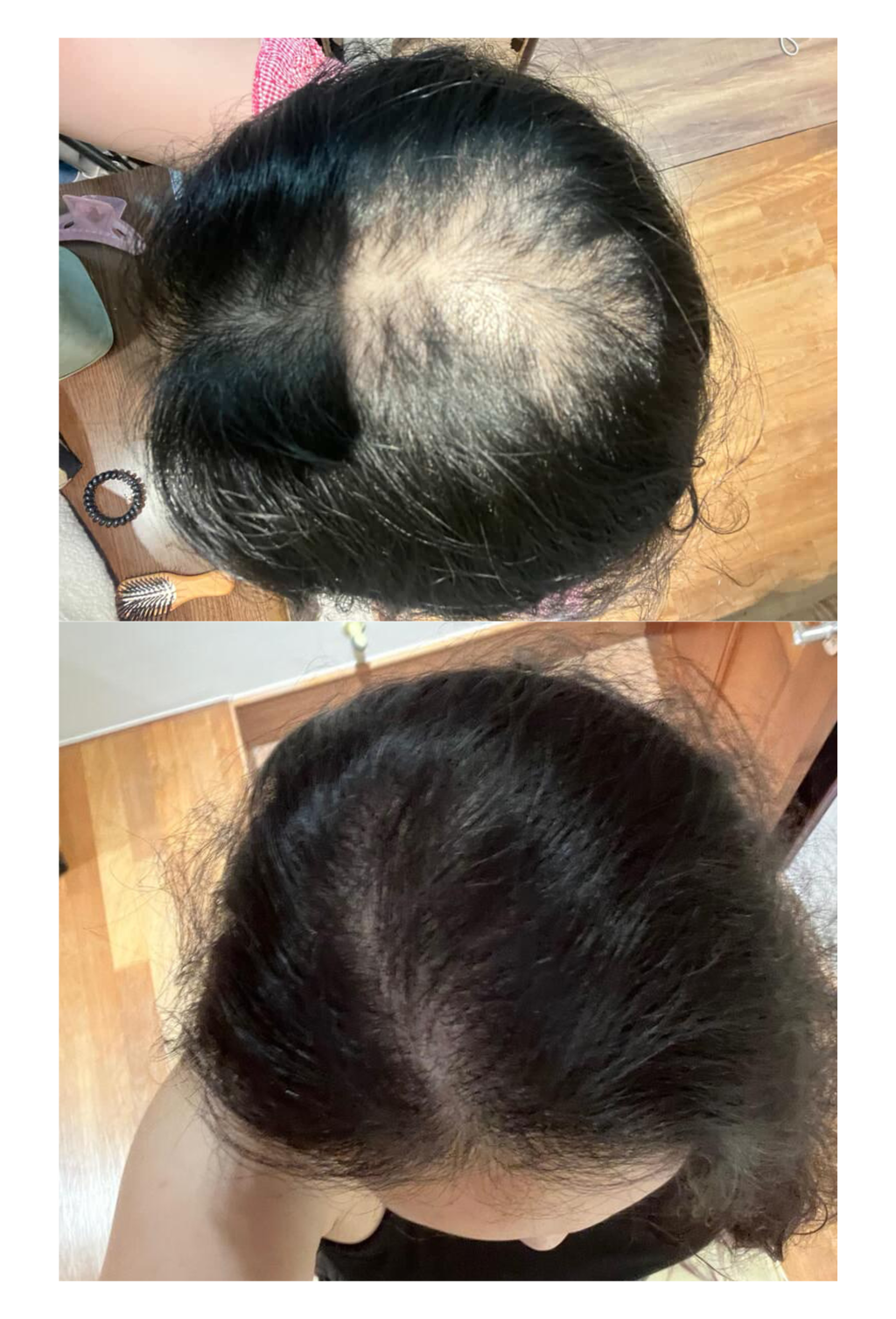
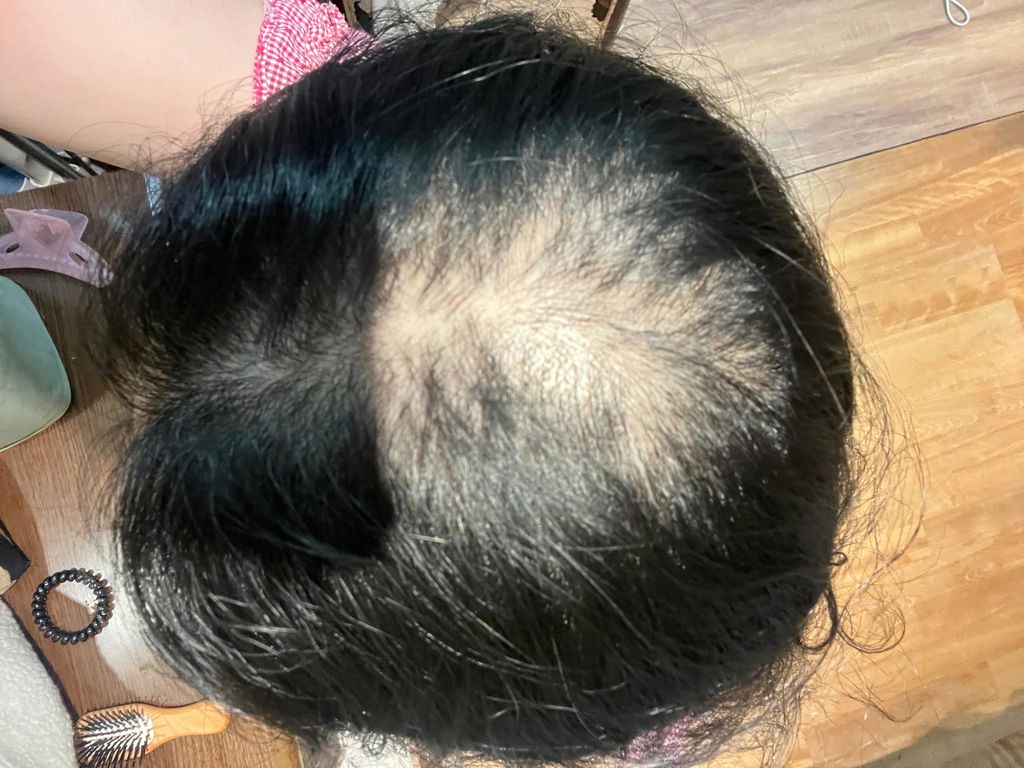
Generally, for basic maintenance, it is advisable to oil your scalp two to three times a week. Scalp oiling helps moisturize the scalp, reduce dryness, and improve overall hair health by enhancing blood circulation to the hair follicles. For those needing to invigorate hair follicles and achieve deeper care, more frequent application, such as three to five times a week, can deliver superior results. This can be particularly beneficial for individuals experiencing hair thinning or loss, as regular oiling can help stimulate growth and strengthen hair strands.
Is leaving scalp oil overnight beneficial for better results?
For an intensive treatment and optimal results, leaving the scalp oil overnight can be beneficial, especially when your hair and scalp require extra nourishment or hydration. Overnight application allows the oil to deeply penetrate the scalp and hair follicles, providing thorough moisturization and promoting overall hair health. However, it's essential to assess your individual hair type and scalp condition before opting for an overnight treatment.
Always listen to your hair's needs and adjust your treatment duration accordingly for the best outcomes.
Can scalp oiling help with specific scalp conditions like dandruff or dryness?
Yes, scalp oiling can help alleviate scalp conditions like dandruff and dryness by moisturizing the scalp, reducing inflammation, and promoting a healthy scalp environment. However, results may vary, and use it consistently for best results.
Should I apply oil to wet or dry hair, and how long should I leave it on before washing?
It's generally recommended to apply oil to dry scalp, as wet scalp can dilute the oil and make it less effective.
Why does hair fall occur during scalp massage in the initial stages of use?
It's common to experience some hair fall while massaging the scalp during an oil treatment. This phenomenon is a natural process and typically not cause for concern.
During scalp massage, blood circulation is stimulated, nourishing the hair follicles and promoting hair growth. Consequently, older or weaker hairs nearing the end of their growth cycle may naturally shed to make room for new, healthier strands to emerge.
Furthermore, scalp massage helps to dislodge and eliminate dead skin cells, excess oil, and product buildup from the scalp, all of which can contribute to hair fall.
Therefore, if you observe some hair fall during your scalp massage, it indicates that the massage is effectively enhancing blood flow and fostering a healthy scalp environment. As long as the hair fall remains minimal and within normal limits, there is no cause for concern. Rest assured that your hair will replenish itself, emerging stronger and healthier than before.
Are there any potential side effects or risks associated with scalp oiling?
While scalp oiling is generally safe, some people may experience allergic reactions or sensitivity to certain oils. It's essential to patch test any new oil before applying it to the scalp and discontinue use if you experience any adverse reactions.
How can I incorporate scalp oiling into my existing hair care routine for optimal results?
You can incorporate scalp oiling into your existing hair care routine by applying oil to the scalp and massaging it in before shampooing and conditioning your hair. You can also use scalp oiling as a pre-shampoo treatment or leave-in treatment for added hydration and nourishment. Adjust the frequency and method of scalp oiling based on your hair type and scalp condition for optimal results.
For more information about the guidelines, please refer to: "From Ancient Times to Modern Skincare: Embracing Scalp Oiling."